





How to Replace a Car Battery: Step-by-Step DIY Guide
Knowing how to replace a car battery yourself starts with two rules: disconnect the negative terminal first, and connect it last when installing the new one. Everything else, the tools, the safety steps, and the actual swap, builds around that one core sequence.
This guide walks through when replacement is actually needed, what tools to gather, how to remove the old battery safely, how to install the new one, and what to do if your car still won’t start afterward. It’s written for beginners, so each step is broken down simply, with your owner’s manual as the backup reference throughout.
Key Takeaways
- Terminal order matters most. Always disconnect negative first, then positive. When installing, connect positive first, then negative.
- Gather your tools first. A wrench or socket set, gloves, and eye protection are the basics almost every replacement needs.
- Battery location varies. Most vehicles keep the battery under the hood, but some place it in the trunk or under a seat, check your owner’s manual if you’re not sure.
- Some newer vehicles need battery registration. Certain electrical systems need to be told a new battery is installed, which a basic swap alone won’t handle.
- A no-start after replacement isn’t always the battery. The alternator, starter, or charging system can all cause the same symptom.
Terminal Order Quick Reference
The single most important safety rule in this entire guide is the order you disconnect and reconnect the terminals.
Show Image
Keep this table handy while you work too:
| Step | Terminal Order |
| Removing the old battery | Negative (-) first, then Positive (+) |
| Installing the new battery | Positive (+) first, then Negative (-) |
Reversing this order increases the risk of a short circuit, since a wrench touching a grounded metal part while the positive terminal is still connected can complete a circuit unexpectedly.
When Should You Replace Your Car Battery?
A battery is worth replacing when it’s struggling to hold a charge or deliver enough power to start the engine reliably. Common signs include:
- Slow or labored cranking when you turn the key
- Dim headlights or interior lights, especially at idle
- A clicking sound with no engine turnover
- A swollen, cracked, or leaking battery case
- A battery warning light on the dashboard
- The battery being several years old, even without obvious symptoms
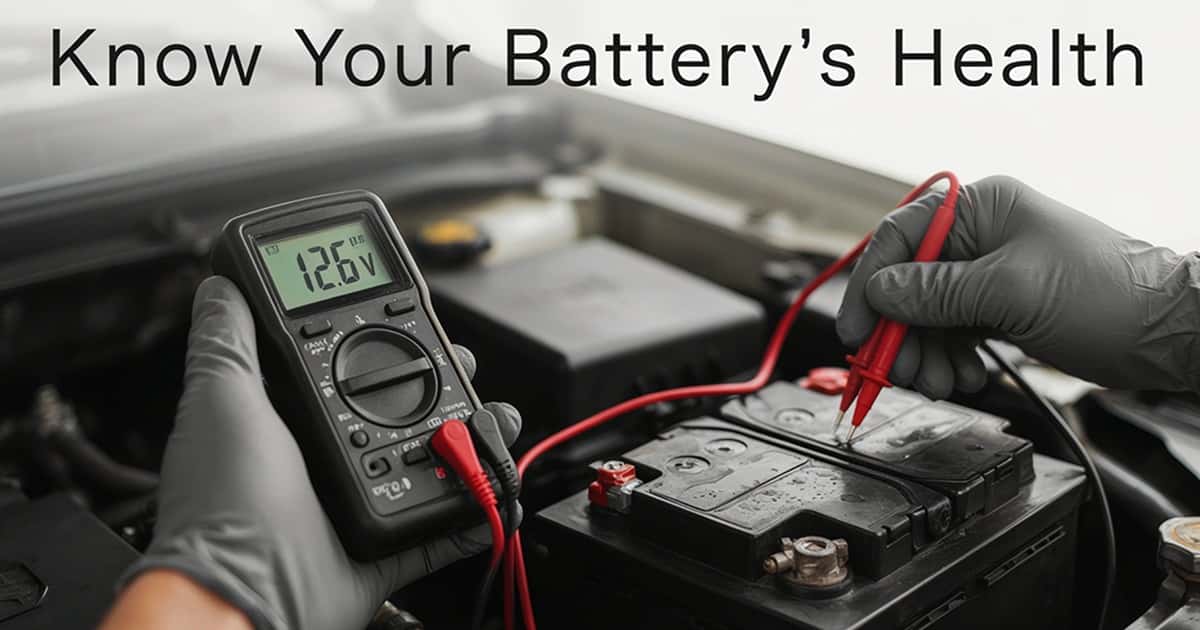
If you’re not sure whether the symptoms point to the battery itself, testing your car battery with a multimeter can confirm it before you buy a replacement.
Can You Replace a Car Battery Yourself?
For most vehicles, yes. Learning how to replace car battery yourself is one of the more beginner-friendly DIY car jobs, since it doesn’t require lifting the vehicle or specialized diagnostic equipment. That said, it’s not entirely risk-free: batteries contain corrosive acid, and working around live electrical connections means a few safety precautions matter more here than in other simple maintenance tasks.
If you’re comfortable using basic hand tools and following your owner’s manual’s guidance, this is a manageable weekend task. If your vehicle needs battery registration or programming afterward, or you’re simply not confident working under the hood, professional battery service handles the same job with less guesswork.
What Tools Do You Need?
Before you start, gather the following:
- Wrench or socket set sized to your battery’s terminal bolts
- Work gloves, to protect your hands from battery acid and corrosion
- Eye protection, since batteries can contain corrosive fluid
- A wire brush, to clean corrosion from the terminals and cables
- Terminal grease or anti-corrosion spray (optional but helpful for the new battery)
- A battery memory saver (optional), to help preserve radio presets, clock settings, and other electronics during the swap
- Your owner’s manual, for your vehicle’s specific battery location, size, and any special procedures
What to Check Before Replacing Your Battery
A few checks before you begin can save you a headache partway through:
- Confirm the battery’s location. Most vehicles keep it under the hood, but some, particularly certain imports and hybrids, place it in the trunk or under a rear seat.
- Note the battery group size. This determines the physical dimensions and terminal placement your replacement needs to match.
- Check whether your vehicle needs battery registration. Some newer vehicles with advanced electrical systems need the charging system reprogrammed to recognize a new battery. Your owner’s manual or a dealership service advisor can confirm whether this applies to you.
- Inspect for damage. A battery that’s swollen, leaking, or visibly cracked shouldn’t be handled the same way as a standard replacement, and may need professional disposal.
How to Remove the Old Car Battery
Follow basic safety precautions throughout this process:
- Turn the vehicle off completely before you begin.
- Park on a safe, level surface.
- Wear gloves and eye protection.
- Keep sparks and open flames away from the battery.
- Never let a tool touch both terminals at once, or touch the positive terminal and any grounded metal part simultaneously, since this can short the battery.
- Don’t attempt to handle a battery that’s visibly swollen, leaking, or damaged.
With those precautions in mind, here’s the removal process:
- Locate the battery and identify the positive (usually marked with a red cover or a “+”) and negative (“-“) terminals.
- Disconnect the negative terminal first. Loosen the nut or bolt and carefully remove the cable, moving it aside so it can’t accidentally touch the terminal again.
- Disconnect the positive terminal second. Repeat the same process for the positive cable.
- Remove the battery hold-down clamp or bracket that secures the battery in place.
- Lift the battery out carefully. According to a battery disconnection guide (2024), a car battery can weigh nearly 50 pounds, so lift with your legs and keep the battery level to avoid spilling any fluid.
- Clean the battery tray and cable ends with a wire brush to remove corrosion before installing the new battery.
How to Install a New Car Battery
Once the old battery is out and the tray is clean, installing the new one follows the reverse order:
- Confirm the replacement battery matches your vehicle’s group size and specifications before placing it in the tray.
- Set the new battery into the tray, making sure it’s oriented correctly with the positive and negative terminals aligned to their matching cables.
- Reattach the hold-down clamp or bracket to secure the battery in place. A loose battery can vibrate and cause damage over time.
- Connect the positive terminal first. Attach the positive cable and tighten it securely.
- Connect the negative terminal second. Attach the negative cable last and tighten it.
- Check that both connections are snug with a gentle wiggle test, and make sure no tools or metal objects are left near the terminals.
What to Do After Installing a New Battery
Once the new battery is connected, a few final steps confirm everything is working correctly:
- Start the vehicle to confirm it cranks and runs normally.
- Check your dashboard for any warning lights that weren’t there before.
- Reset your clock, radio presets, and any other settings that may have been reverted if you didn’t use a memory saver.
- Confirm whether your vehicle needs battery registration. If your owner’s manual indicates this step is required and you don’t have the tool to perform it yourself, a dealership service center can complete it.
- Dispose of the old battery properly. Most auto parts stores and service centers accept old batteries for recycling rather than regular trash disposal.
What If Your Car Doesn’t Start After Battery Replacement?
A no-start after a fresh battery install is frustrating, but it doesn’t automatically mean the new battery is defective. According to GMC’s certified service guidance on battery care, starting problems can also stem from the alternator not charging properly, a loose battery or starter cable, or other charging system issues, not the battery itself. Before assuming the new battery is bad, check:
- Loose or corroded connections, which can prevent the battery from delivering power even if it’s fully charged.
- The alternator, since a battery that isn’t being charged while driving will eventually act the same as a dead one.
- The starter, which can fail independently of the battery and produce a similar clicking or no-crank symptom.
- Whether battery registration was required on your vehicle and wasn’t completed.
If basic connection checks don’t resolve it, a professional diagnostic can quickly identify whether the issue is the battery, the charging system, or the starter.
How Long Does Car Battery Replacement Take?
For most vehicles, the bigger question isn’t how long the swap takes, but knowing how to replace car battery correctly the first time: a straightforward job takes well under an hour once you have the tools and new battery ready. That said, the exact time varies by vehicle: some engine bays are easier to access than others, and a battery that requires registration or programming afterward will add time to the process. There’s no single fixed time or price that applies to every car; see our full breakdown of car battery replacement cost and timing for a closer look at what affects both.
When Should You Get Professional Battery Service?
DIY replacement isn’t the right fit for every situation. Consider professional service if:
- Your vehicle requires battery registration or programming and you don’t have the tool to perform it.
- You’re not comfortable working around electrical connections or handling a heavy battery safely.
- The battery is swollen, leaking, or otherwise damaged, which needs careful handling and disposal.
- You’ve checked the basics and your car still won’t start, suggesting the issue may be the alternator, starter, or another charging system component.
- You want the battery, alternator, and charging system tested together rather than replacing parts one at a time.
Car Battery Replacement in LaGrange, GA
If you’d rather have a professional handle the swap, or your vehicle needs battery registration you can’t perform at home, Auto Gallery Chevrolet GMC’s certified battery service in LaGrange, GA tests your battery, alternator, and charging system together before recommending a replacement.
Our GMC-trained technicians know the specific battery requirements and registration procedures for your exact vehicle, which matters most on modern trucks and SUVs with more advanced electrical systems. If you’ve already tested your battery and confirmed it needs replacing, our certified service center can complete the installation correctly the first time.
Schedule car battery replacement with Auto Gallery Chevrolet GMC today, or stop by 1415 Lafayette Pkwy in LaGrange for battery service.
Frequently Asked Questions
How do you replace a car battery yourself?
Disconnect the negative terminal first, then the positive terminal, remove the old battery, clean the tray, install the new battery, then connect the positive terminal first followed by the negative terminal. Always check your owner’s manual for vehicle-specific guidance.
What tools do you need to replace a car battery?
You’ll need a wrench or socket set, work gloves, eye protection, a wire brush for cleaning corrosion, and your owner’s manual. A battery memory saver is optional but helps preserve your electronics’ settings during the swap.
How do you know when to replace a car battery?
Common signs include slow cranking, dim lights, a clicking sound with no engine turnover, a swollen or damaged case, and a battery warning light. A battery that’s several years old is also worth testing even without obvious symptoms.
Which battery terminal do you disconnect first?
Always disconnect the negative terminal first, then the positive terminal. This order reduces the risk of a short circuit while you’re working.
How do you install a new car battery?
Place the new battery in the tray, secure the hold-down clamp, then connect the positive terminal first, followed by the negative terminal. This is the reverse order of how you disconnected the old battery.
Do you need to reset your car after replacing the battery?
Often, yes. You may need to reset your clock and radio presets if you didn’t use a memory saver. Some newer vehicles also require battery registration or programming, which a basic swap alone won’t complete, check your owner’s manual to confirm whether this applies to your vehicle.

0 comment(s) so far on How to Replace a Car Battery: Step-by-Step DIY Guide