





Car Battery Replacement: Cost, Timeline, and Where to Go
A car battery replacement restores reliable starting power once the old battery can no longer hold a safe charge, and most drivers pay somewhere between $100 and $300 for parts and labor. The exact number depends on your battery type, vehicle, and where you have the work done, so there’s no single price that applies to every car.
This guide walks through what actually drives that cost up or down, how long the replacement itself takes, how long a battery typically lasts before it needs replacing, the warning signs to watch for, whether you can do it yourself, and where to go once you’ve decided it’s time.
Key Takeaways
- Typical cost range: Most car battery replacements run $100 to $300, though premium AGM batteries and vehicles requiring computer programming can run higher.
- Typical timeline: A straightforward replacement takes 20 to 45 minutes once you’re in the bay, though inspection and diagnostic time can add to that.
- Typical lifespan: Most car batteries last 3 to 5 years, though heat, short trips, and heavy electrical loads can shorten that.
- Warning signs: Slow cranking, dim lights, repeated jump-starts, and a battery warning light all point toward replacement, not just a recharge.
- DIY vs. professional: Basic replacement is often DIY-friendly, but many modern vehicles require battery registration or programming that only a shop can perform correctly.
How Much Does Car Battery Replacement Cost?
Car battery replacement cost varies enough from vehicle to vehicle that a single number rarely tells the whole story. Instead of one price, it helps to understand the factors that push your total up or down:
| Cost Factor | How It Affects Price |
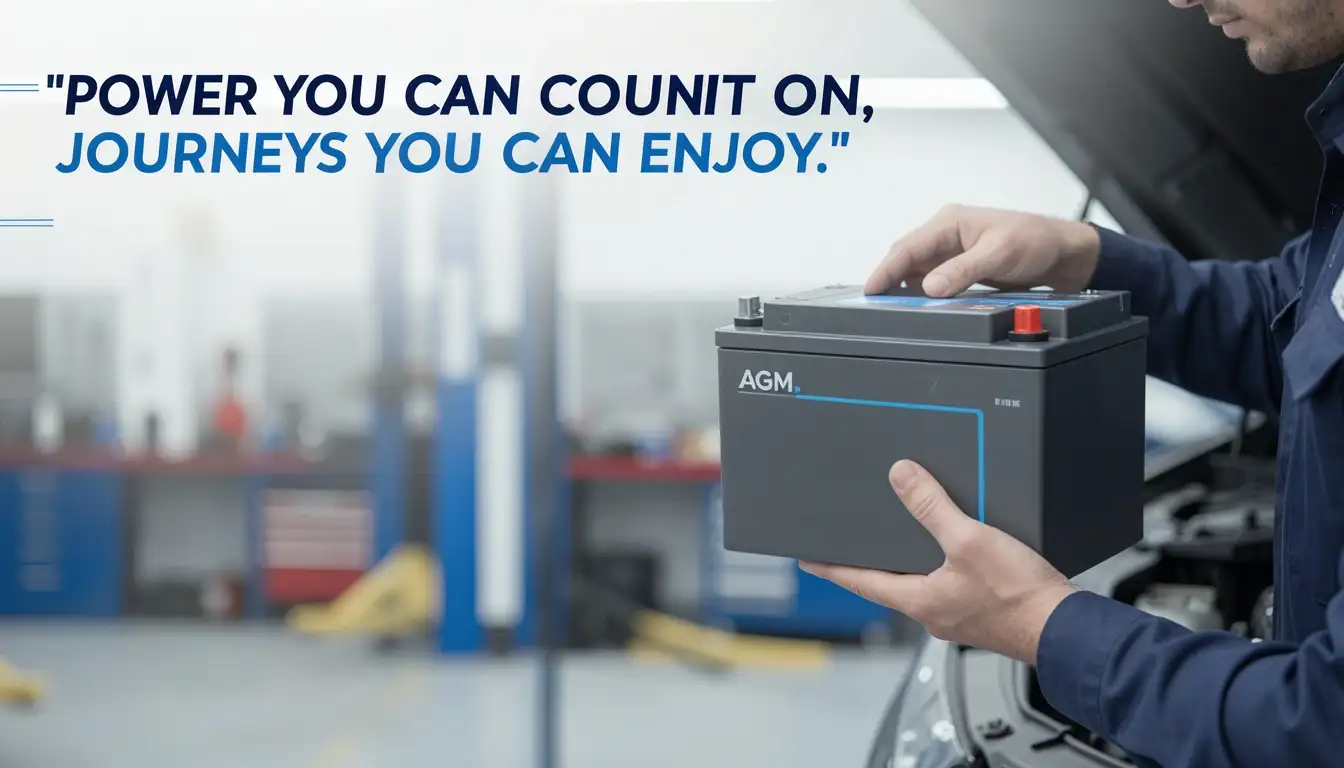
| Battery type | Standard flooded lead-acid batteries cost less than AGM (absorbed glass mat) batteries, which many start-stop and heavily equipped vehicles require |
| Vehicle make and model | Trucks and SUVs with larger electrical demands often need a higher-capacity battery than a compact sedan |
| Battery specifications | Group size and cold cranking amps (CCA), the industry rating for how much current a battery can deliver in cold weather, must match your vehicle’s requirements |
| Labor | Some engine bays are harder to access than others, which affects installation time and cost |
| Additional diagnostic work | If a technician finds a parasitic drain, a corroded cable, or a charging system issue during inspection, that adds to the total |
| Location and service provider | Dealership service centers, independent shops, and auto parts stores price parts and labor differently |
According to a battery replacement pricing data, a replacement battery typically runs from about $45 to $250 depending on power, size, and quality, though total installed cost (including labor) commonly lands higher once a shop’s rates are factored in. The best way to get an accurate number for your specific vehicle is to have a service technician inspect it, since the right battery for your car depends on factors a price range alone can’t capture.
How Long Does It Take to Replace a Car Battery?
A straightforward car battery replacement is one of the quicker services a shop performs, but the total time you spend there depends on more than just swapping the battery itself.
The typical process looks like this:
- Initial inspection. A technician checks the battery, terminals, and cables for corrosion or damage before starting.
- Battery testing. If replacement hasn’t already been confirmed, the shop will test the old battery’s voltage and load capacity.
- Removal and installation. The old battery is disconnected and removed, and the new one is installed and secured.
- Terminal and cable check. Corroded or damaged cables and terminals are cleaned or replaced as needed.
- Post-installation testing. The technician confirms the new battery is charging correctly and, on vehicles that require it, completes any necessary battery registration or relearn procedure.
The hands-on installation itself often takes well under an hour, but don’t assume every vehicle takes the same amount of time. If the inspection turns up a corroded cable, a failing alternator, or a vehicle that needs computer programming after the swap, the visit will run longer than a simple battery-for-battery exchange.
How Long Does a Car Battery Last?
Most car batteries last 3 to 5 years, according to J.D. Power’s guidance on battery care (2025), though several factors can shorten or extend that window:
- Climate and temperature. Extreme heat accelerates the internal chemical wear that degrades a battery, while extreme cold makes it harder for a weakening battery to deliver enough current to start the engine.
- Driving habits. Frequent short trips don’t give the alternator enough time to fully recharge the battery after starting, which can shorten its usable life.
- Vehicle usage. Cars that sit unused for long stretches lose charge gradually and are more prone to deep discharges that stress the battery.
- Electrical load. Vehicles with heavy accessory use (infotainment systems, towing electronics, aftermarket add-ons) place more demand on the battery than a car with minimal electronics.
- Maintenance. Clean terminals and a battery that’s checked periodically after the three-year mark tend to last closer to the high end of that range.
Because so many variables affect actual lifespan, age alone isn’t the only signal to watch. A battery can still be within its typical window and show clear signs it’s failing, which is why testing matters more than the calendar.
Signs Your Car Battery Needs to Be Replaced
Watch for these signs that point toward replacement rather than just a low charge:
- Slow engine cranking. The engine turns over sluggishly instead of starting right away.
- Clicking when starting with no engine turnover, often a sign the battery can’t deliver enough current to the starter.
- Repeated jump-starts. Needing a jump more than once in a short period usually means the battery itself is failing, not just low on charge.
- Dim lights, especially headlights that noticeably dim at idle or with accessories running.
- Electrical issues, like slow power windows or inconsistent dashboard displays.
- A battery warning light on the dashboard, which can point to either the battery or the charging system.
- Corrosion or physical damage, including a swollen, cracked, or leaking case.
- Battery age. Once a battery passes the 3-year mark, testing becomes more important even without obvious symptoms.
It’s worth noting that some of these symptoms, particularly dim lights and slow cranking, can also point to a failing alternator rather than the battery itself. A voltage and load test is the most reliable way to tell which component is actually the problem before you pay for a replacement you may not need.
Can You Replace a Car Battery Yourself?
For many vehicles, yes. Basic battery replacement is a common DIY task: disconnect the old battery, remove it, install the new one in the correct orientation, and reconnect the terminals in the right order.
That said, a few things can complicate a DIY job:
- Battery registration or programming. Many newer vehicles, particularly those with advanced electrical systems, require the charging system to be told a new battery has been installed. Skipping this step on a vehicle that requires it can lead to premature battery wear or charging problems, and it typically requires a scan tool most drivers don’t own.
- Hard-to-access battery locations. Some vehicles place the battery somewhere other than the engine bay (under a seat or in the trunk), which complicates a simple swap.
- Safety considerations. Battery acid and the risk of sparks are real hazards, so gloves and eye protection matter regardless of how simple the job looks.
- Getting the right battery. An incorrect group size or insufficient CCA rating can cause starting problems even if the installation itself goes smoothly.
If your vehicle needs registration or programming after a battery swap, or if you’re not confident matching the battery specifications to your make and model, professional installation is the safer route. If you do want to tackle it yourself, this step-by-step car battery replacement guide walks through the full process, from locating the terminals to cleaning the battery tray.
Where Should You Get Your Car Battery Replaced?
Once you’ve decided replacement makes sense, the next question is where to have it done. A few things are worth confirming wherever you go:
- A professional inspection first, so you’re replacing the battery and not masking an alternator or charging system problem.
- The correct battery for your vehicle, matched to the right group size, CCA rating, and chemistry (standard flooded vs. AGM).
- Proper installation, including any battery registration your vehicle requires.
- A charging-system test, to confirm the alternator is charging the new battery correctly.
- Warranty coverage, since battery warranties vary in length and what they cover.
A dealership service center, an independent shop, and a parts-store install counter can all technically swap a battery. The difference usually comes down to whether the technician is trained on your specific make and model, and whether the equipment used can properly diagnose the charging system alongside the battery itself.
Car Battery Replacement in LaGrange, GA
If you’re in the LaGrange area and need a battery replacement, Auto Gallery Chevrolet GMC’s certified battery service uses manufacturer-specified equipment to test your current battery, alternator, and charging system together, so you’re not guessing which component is actually the problem.
Our GMC and Chevrolet-trained technicians know the specific battery, group size, and registration requirements for your exact vehicle, which matters most on modern trucks and SUVs that carry more electrical load than older models. If a replacement is needed, you’ll know the details before any work begins, not after.
Schedule a battery service appointment with Auto Gallery Chevrolet GMC today, check current service specials before you book, or stop by 1415 Lafayette Pkwy in LaGrange to have your battery tested while you wait.
Frequently Asked Questions
How much does it cost to replace a car battery?
Most car battery replacements cost between $100 and $300 for parts and labor, though the exact price depends on battery type, vehicle requirements, and where you have the work done. Premium AGM batteries and vehicles that require computer programming after installation typically cost more.
How long does it take to replace a car battery?
The hands-on installation usually takes well under an hour once a technician begins, but the full visit can run longer if inspection turns up a corroded cable, a charging system issue, or a vehicle that requires battery registration after the swap.
How do you know when your car battery needs to be replaced?
Common signs include slow engine cranking, clicking when you turn the key, needing repeated jump-starts, dim lights, a battery warning light, and visible corrosion or damage. A battery past the 3-year mark is also worth testing even without symptoms.
How long does a car battery usually last?
Most car batteries last 3 to 5 years, though climate, driving habits, vehicle usage, and electrical load can shorten or extend that window. Regular testing after year three helps catch decline before it leaves you stranded.
Can you replace a car battery yourself?
Often, yes, for a straightforward swap. However, many modern vehicles require battery registration or programming that needs a scan tool, and getting the wrong battery specifications can cause starting problems even with a correct-looking installation.
Where should I go to replace my car battery?
Look for a shop that inspects the battery, alternator, and charging system together rather than just swapping the battery, confirms the correct battery specifications for your vehicle, and stands behind the work with a clear warranty.

0 comment(s) so far on Car Battery Replacement: Cost, Timeline, and Where to Go