





How to Change the Oil in Your 2026 Chevy Tahoe

The 2026 Chevy Tahoe is built for everything from daily commuting to towing heavy loads and family road trips. Whether your SUV is equipped with the 5.3L EcoTec3 V8, the powerful 6.2L V8, or the efficient 3.0L Duramax Turbo-Diesel, regular oil changes are essential for maintaining peak performance and extending engine life.
Modern Tahoe engines utilize advanced technologies such as Dynamic Fuel Management (DFM), variable valve timing, and sophisticated engine management systems. These technologies depend on clean, properly specified oil to operate efficiently.
This guide explains the correct oil specifications, oil capacity, recommended maintenance intervals, and the complete process of how to change oil in your car: step by step guide.
Key Takeaways
- Use SAE 0W-20 Full Synthetic oil with GM dexos1 certification for 5.3L and 6.2L V8 engines; use dexosD oil for the 3.0L Duramax diesel.
- The 5.3L and 6.2L V8 engines require 8 quarts of oil, while the 3.0L Duramax diesel requires 7.5 quarts with a filter change.
- Replace the oil filter during every oil change; most Tahoe V8 models use the ACDelco PF48E oil filter.
- Follow the Intelligent Oil Life Monitor, which typically recommends oil changes every 7,500 miles under normal driving conditions.
- Avoid common mistakes such as using non-dexos oil, overfilling the engine, using the wrong oil in diesel models, or forgetting to reset the Oil Life Monitor after service.
2026 Chevy Tahoe Oil Specifications
Before beginning the oil change process, it’s important to verify your engine type.
| Engine | Recommended Oil | Capacity (with Filter) |
| 5.3L EcoTec3 V8 | SAE 0W-20 Full Synthetic (dexos1) | 8 Quarts |
| 6.2L EcoTec3 V8 | SAE 0W-20 Full Synthetic (dexos1) | 8 Quarts |
| 3.0L Duramax Diesel | SAE 0W-20 Full Synthetic (dexosD) | 7.5 Quarts |
Recommended Oil Filters
| Engine | Oil Filter |
| 5.3L V8 | ACDelco PF48E |
| 6.2L V8 | ACDelco PF48E |
| 3.0L Duramax Diesel | Diesel-Specific OEM Filter |
Always verify the oil certification on the bottle. Using the correct viscosity alone is not enough the oil must also meet GM dexos specifications.
Why Oil Changes Are Important
Engine oil performs several critical functions:
- Lubricates moving engine components
- Reduces friction and wear
- Helps regulate engine temperature
- Prevents sludge buildup
- Protects against corrosion
- Improves fuel efficiency
As oil ages, it becomes contaminated with dirt, combustion byproducts, and microscopic metal particles. Eventually, it loses its ability to protect the engine effectively.
Skipping oil changes can result in:
- Increased engine wear
- Reduced fuel economy
- Higher operating temperatures
- Sludge accumulation
- Expensive engine repairs
Considering the value of a new Tahoe, regular oil changes are among the most cost-effective maintenance services you can perform.
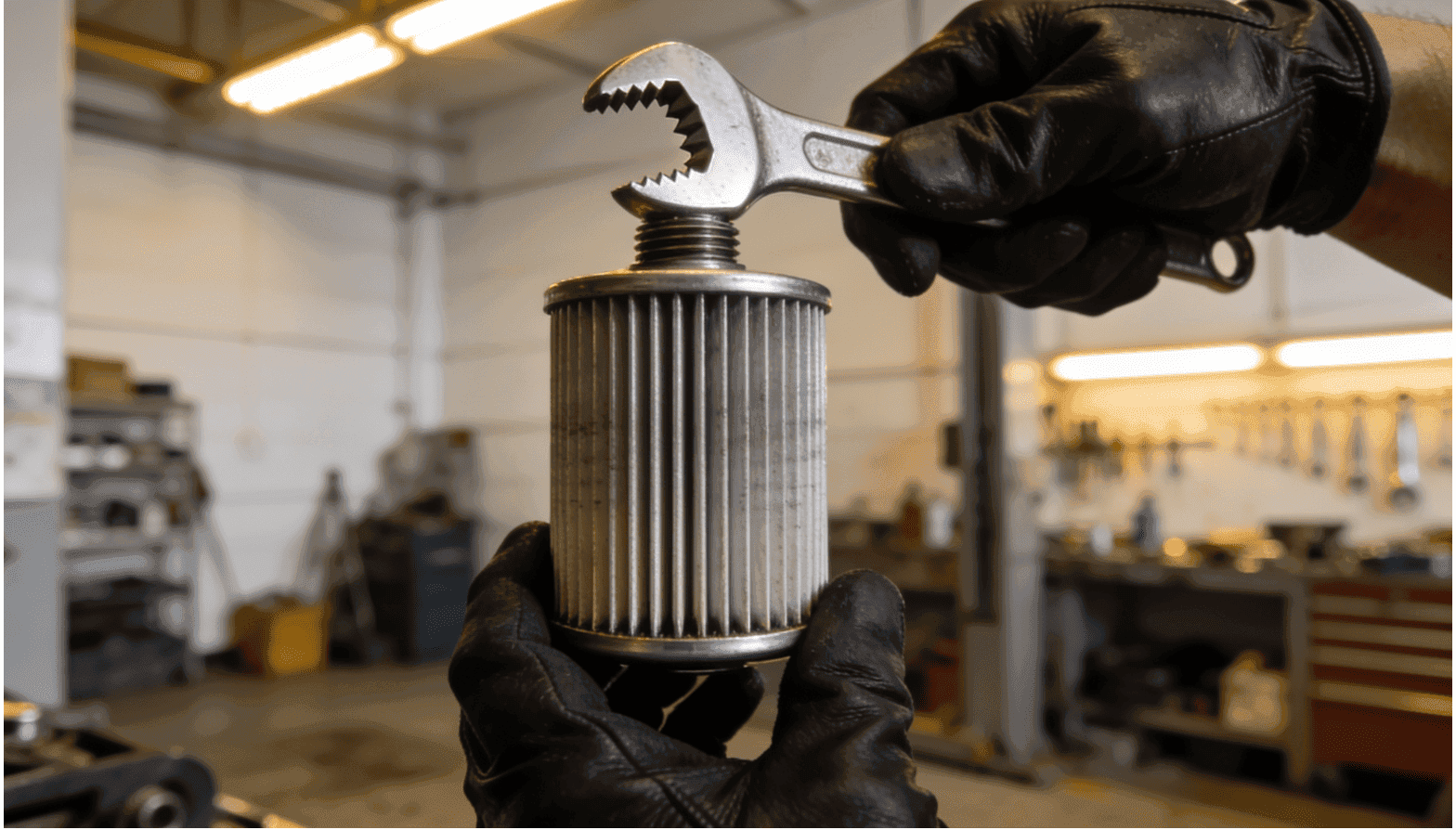
Tools and Supplies You’ll Need
Gather the following items before starting:
Supplies
- 8–9 quarts of approved synthetic oil
- New oil filter
- Replacement drain plug washer (recommended)
- Shop towels or rags
Tools
- Oil drain pan
- 15mm socket and ratchet
- Oil filter wrench
- Funnel
- Jack and jack stands or vehicle ramps
- Safety gloves
- Safety glasses
Having everything prepared beforehand makes the process quicker and cleaner.
Step-by-Step Oil Change Instructions
Step 1: Warm Up the Engine
Start the engine and allow it to run for approximately three to five minutes.
Warm oil flows more easily and carries away contaminants more effectively than cold oil.
Do not perform the oil change immediately after a long drive, as extremely hot oil can cause burns.
Step 2: Park and Secure the Vehicle
Park on a level surface.
Then:
- Engage the parking brake.
- Turn off the engine.
- Raise the front of the Tahoe using ramps or a jack.
- Secure the vehicle with properly rated jack stands.
Never work underneath a vehicle supported only by a hydraulic jack.
Step 3: Drain the Old Oil
Locate the oil drain plug beneath the engine oil pan.
Place the drain pan underneath and:
- Loosen the drain plug using a 15mm socket.
- Carefully remove the plug.
- Allow the oil to drain completely.
This typically takes five to ten minutes.
While waiting, inspect the drain plug and washer for damage.
Replace the washer if necessary.
Once draining is complete, reinstall the drain plug and tighten it to the manufacturer’s specification.
Step 4: Remove the Old Oil Filter
Move the drain pan underneath the oil filter.
Using an oil filter wrench:
- Turn the filter counterclockwise.
- Remove the old filter.
- Allow any remaining oil to drain.
Before installing the new filter:
- Apply a thin layer of fresh oil to the rubber gasket.
- Thread the filter by hand.
- Tighten until the gasket contacts the mounting surface.
- Give it an additional quarter turn.
Avoid overtightening.
Step 5: Add New Oil
Open the hood and locate the oil fill cap.
Using a funnel:
- Add approximately 7.5 quarts initially.
- Reinstall the oil cap.
- Start the engine.
- Let it idle for about one minute.
This allows fresh oil to circulate throughout the engine and fill the new filter.
Turn the engine off and wait two to three minutes.
Step 6: Check the Oil Level
Remove the dipstick.
Follow these steps:
- Wipe it clean.
- Reinsert fully.
- Remove again and check the reading.
Gradually add oil until the level reaches the full mark.
For gasoline engines, the final amount will typically be close to 8 quarts.
Avoid overfilling.
Too much oil can create foam, reducing lubrication effectiveness and potentially damaging internal components.
Step 7: Inspect for Leaks
With the engine running briefly:
- Check around the oil filter.
- Inspect the drain plug.
- Look for any signs of dripping oil.
If leaks are present, shut the engine off and correct the issue immediately.
Step 8: Reset the Oil Life Monitor
The 2026 Tahoe includes GM’s Intelligent Oil-Life Monitoring System.
To reset:
- Turn the ignition on.
- Open the Driver Information Center.
- Navigate to Vehicle Information.
- Select Oil Life.
- Choose Reset.
- Confirm the reset.
The display should return to 100%.
This step is important because the system tracks oil condition and helps determine future service intervals.
Recommended Oil Change Intervals
While older vehicles relied solely on mileage-based schedules, the 2026 Tahoe uses an advanced monitoring system that analyzes:
- Engine temperature
- Driving habits
- Load conditions
- Idle time
- Trip duration
Typical recommendations include:
| Driving Conditions | Oil Change Interval |
| Normal Driving | Every 7,500 Miles |
| Highway Driving | Every 7,500–10,000 Miles |
| Towing | Every 5,000 Miles |
| Heavy Traffic | Every 5,000 Miles |
| Extreme Temperatures | Every 3,000–5,000 Miles |
| Low Mileage Usage | At Least Once Per Year |
Always follow the Oil Life Monitor if it indicates service is needed sooner.
Common Oil Change Mistakes to Avoid
Using Non-Dexos Oil
Not all synthetic oils meet GM’s dexos requirements.
Always look for:
- dexos1 (gasoline engines)
- dexosD (Duramax diesel)
Using non-approved oil can negatively impact performance and warranty coverage.
Overfilling the Engine
Many DIY owners accidentally add too much oil.
Excess oil can:
- Increase crankshaft resistance
- Cause foaming
- Reduce lubrication
- Damage seals
Always verify the level using the dipstick.
Forgetting the Drain Plug Washer
A worn washer can create slow leaks that gradually lower oil levels.
Replacing the washer during each oil change is inexpensive insurance.
Ignoring the Oil Life Monitor
Resetting the monitor ensures accurate maintenance tracking.
Without a reset, service reminders become unreliable.
Signs Your Tahoe Needs an Oil Change
Watch for these warning signs:
- Oil Life Monitor below 15%
- Engine oil warning light
- Dark, dirty oil on the dipstick
- Increased engine noise
- Reduced fuel economy
- Burning oil smell
- Rough engine operation
Addressing oil service promptly helps prevent larger mechanical issues.
In a Nutshell
Changing the oil in your 2026 Chevy Tahoe is a straightforward maintenance task that can significantly extend engine life and improve overall performance. By using the correct dexos-certified oil, replacing the filter at every service, and following the recommended maintenance intervals, you can keep your Tahoe operating at its best for years to come.
Whether you drive a Tahoe for daily commuting, family travel, or towing heavy loads, regular oil changes remain one of the most valuable investments you can make in your vehicle’s long-term reliability.
Frequently Asked Questions
What oil does a 2026 Chevy Tahoe use?
The 5.3L and 6.2L V8 engines require SAE 0W-20 Full Synthetic oil meeting GM dexos1 specifications. The Duramax diesel requires SAE 0W-20 dexosD oil.
How many quarts of oil does a 2026 Chevy Tahoe hold?
The gasoline V8 engines require 8 quarts with a filter change, while the Duramax diesel requires approximately 7.5 quarts.
How often should I change the oil in a 2026 Tahoe?
Most drivers will need an oil change approximately every 7,500 miles, though towing, heavy traffic, and severe conditions may require more frequent service.
What oil filter does the Tahoe use?
Most V8-powered 2026 Tahoe models use the ACDelco PF48E oil filter.
Can I use 5W-30 instead of 0W-20?
No. Chevrolet specifically recommends SAE 0W-20 for the 2026 Tahoe. Using a different viscosity may affect performance, fuel economy, and warranty compliance.

0 comment(s) so far on How to Change the Oil in Your 2026 Chevy Tahoe