





Replacement Exhaust Pipe
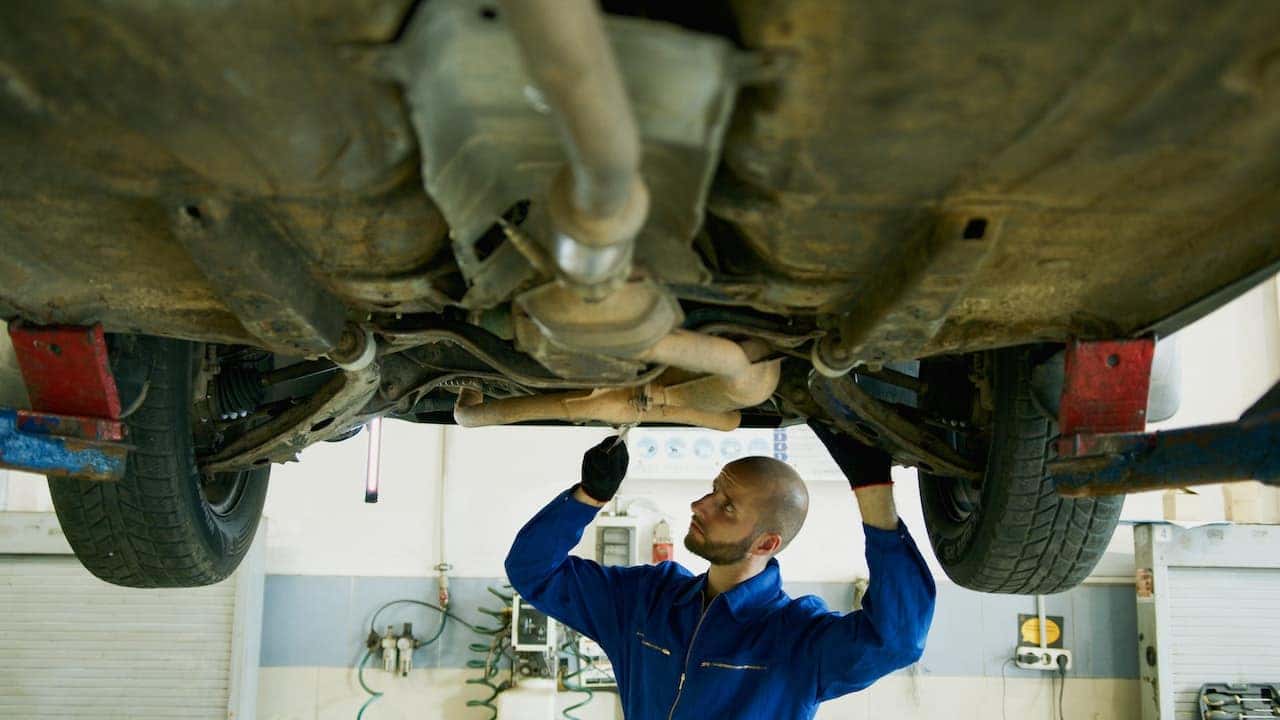
With continuous use of your vehicle, corrosion happens inside or outside the exhaust pipe leading to the formation of cracks and holes. These seemingly minor defects bring many issues which can become severe if ignored.
So, is your vehicle producing excess noise from the exhaust system? Does your cabin smell of engine emissions? If yes, then it’s time to do an exhaust pipe replacement for safety and legal reasons.
What Is an Exhaust Pipe?
The primary function of the exhaust pipe is to direct combustion fumes away from the engine and vehicle cabin out into the open. Without it, you risk getting exposed to carbon monoxide poisoning in your vehicle’s cabin.
Vehicle exhaust systems have the same functions, but they differ depending on the make and model of a car. They include;
- Single exit pipes are the most common and easiest to manufacture and install.
- Dual rear exit pipes located on the rear left and right of sportier cars give a deeper sound to the exhaust.
- Opposite dual exhaust pipes bend around the wheels of vehicles that tow a lot of weight.
- Dual-side exhaust consists of two pipes on one side of the vehicle. They have a higher efficiency of gas expulsion than single-exit pipes.
- High-performance exhaust systems are the most expensive to manufacture and install as an aftermarket component. They increase your vehicle’s engine performance.
How Does an Exhaust Pipe Work?
The whole process of fume expulsion starts in the engine. The combustion of fuel and air in the engine cylinders produces gases that the exhaust manifold collects.
The fumes then pass into the catalytic converter through the exhaust down pipe. The catalytic converter transforms hazardous engine fumes into less toxic compounds like carbon dioxide and water. Center exhaust pipes direct the fumes to the tailpipe, which releases the gases into the air.
The exhaust pipe has the same functionality as a chimney as it directs fumes away from the space occupied by humans.
Signs of a Bad Exhaust Pipe
- Poor fuel Efficiency
- Vibrations
- Engine Noise
- Rattling Noise
- Hissing/Popping Noise
- Burning Smell
- Performance Issue
- Gas Smell
- Check engine Light
- Visual Check
- Slow Acceleration
A faulty exhaust pipe is one of the easiest malfunctions you can note on your vehicle. It presents visible signs that indicate something is wrong with your exhaust system.
However, some symptoms may indicate other problems, so you need to be on the lookout for other exhaust pipe problems to be sure. On the onset of these issues, schedule an exhaust pipe replacement early enough before they become severe.
Here are signs that you need to do an exhaust system replacement soon.
Poor Fuel Efficiency
Cracks or holes in the exhaust pipe distort the normal working pressure of exhaust systems. The result is an overworking engine that consumes more fuel than is necessary.
Another reason that can cause poor fuel efficiency is an exhaust leak. It makes the oxygen sensor have a faulty reading, translating to more fuel consumption. The leak could also cause an increase in temperature in the exhaust system leading to more fuel burning up.
Vibrations
If you hear vibrations coming from the underside of your vehicle, it could indicate a loosely attached exhaust pipe. The exhaust pipe mounts could be worn out, making them hang out of place.
Vibrations may also be a result of holes in the exhaust pipes due to rust. As the pipes evacuate the engine fumes, they cause the exhaust pipe to shake and vibrate due to a pressure distortion.
Engine Noise
Loud, unusual noises from the engine bay can indicate several issues. A distinct chugging sound that increases and decreases with the vehicle’s revolutions per minute indicates a problem with the exhaust.
The common issue in such a scenario is an exhaust leak in the exhaust manifold area or downpipe. To resolve this issue, you’ll need an exhaust system replacement.
Rattling Noise
Rattling noises indicate that the exhaust pipe or any other component, like the catalytic converter or muffler, is misaligned and out of place. When you visit an auto repair shop, the technicians will check for issues with your exhaust hangers.
Hissing/Popping Noise
It’s usually an indication of a backfire. It happens when some unburnt fuel finds its way into the exhaust system. The fuel burns in the exhaust pipe with a popping sound. Fixing the leak in the exhaust pipe can resolve this issue.
Burning Smell
Oil may enter into the exhaust system through the manifold. The result is a burning smell that may even leak into the cabin. If you experience this, plan a visit to an auto repair shop as soon as possible. This could indicate a more serious problem with the engine.
Performance Issues
You may notice a drop in performance with your stock exhaust or even your performance-oriented exhaust. The main culprit is a faulty exhaust pipe with poor airflow and increased back pressure to the engine.
Gas Smell
It’s usually a sign of faulty exhaust pipes leaking gas fumes into the cabin. Unburnt fuel that leaks into the exhaust system also contributes to the smell of gas.
Engine Light
The check engine light is frequently the first indication of a problem with your motor vehicle. It can show on your vehicle’s instrument cluster for several reasons, but if it shows up in addition to other common exhaust issues, schedule a repair soon.
Visual Check
Sometimes, inspecting your car’s exhaust system manually is ideal. Check for issues such as the formation of rust on the exhaust pipes, holes, and cracks.
If you find any such problems consider taking your vehicle to an auto repair shop. They’ll suggest using genuine exhaust repair parts to replace the faulty components.
Slow Acceleration
It could indicate an exhaust issue if you notice a drop in acceleration in your vehicle, even when stepping your foot hard on the gas pedal. Inadequate airflow and increased back pressure to the engine cause it to strain more, leading to low power output levels.
How Are Exhaust Pipes Replaced?
Replacing an exhaust pipe is challenging since a majority of the vehicle’s exhaust components are on the underside of the car. For easy and professional replacement, consider taking your vehicle to an exhaust technician at AutoGalleryChevyBuickGMC.
Here are the steps to replace your faulty exhaust system.
- Let the vehicle cool – It’s essential since exhaust systems are passages for hot gases.
- Raise the vehicle – Using a jack, raise its four sides to give enough room to work under the car.
- Disconnect the downpipe – Disconnect the bolts that connect the downpipe to the center exhaust pipes.
- Remove the exhaust pipe attachments – To remove the exhaust pipe, remove the small attachments like rubber mountings and oxygen sensors from the main exhaust pipe.
- Pull the exhaust system down – Carefully unmount the exhaust pipe and place it on the ground.
- Mount the new exhaust pipe – A jack can help raise the new exhaust pipe into position.
- Connect the new pipe with the exhaust downpipe – Place a gasket onto the downpipe and attach the new exhaust pipe.
- Secure the exhaust pipe onto the car’s underside – Use mounts and other connectors to fix the pipe into position securely. Also, plug the oxygen sensors back.
Where to Go For Exhaust Pipe Replacement in Lagrange?
Due to backlog, most auto repair shops will do exhaust system replacement for up to 24 hours. However, professional mechanics at AutoGalleryChevyBuick will provide the same service in two to three hours.
If you want to know how we are able to achieve this, visit our scheduling page to book an available time of your convenience and receive our specialized care. We also offer stock replacement exhaust systems for various vehicles, meaning you don’t have to look for them.
FAQs
Can I Drive With a Bad Exhaust Pipe?
Driving with a bad exhaust pipe is possible, but there are safety and legal consequences.
You risk polluting your cabin with harmful gases from a faulty exhaust. Performance issues resulting from the lousy exhaust can also be a major concern while trying to overtake on the highway.
Legally, you also risk paying huge fines for sound and air pollution while driving with a bad exhaust pipe.
How Often Do Exhaust Pipes Need Replacement?
Most cars will not require an exhaust pipe replacement for ten years because of the stainless steel material used to manufacture exhaust system parts. Regularly checking your vehicle’s exhaust system is necessary to capture minor defects early on before they become severe.
How Are Exhaust Pipe Issues Diagnosed?
There are two ways to diagnose exhaust pipes; both require a trained auto repair technician. The first method is to check for defects on the exhaust system manually. The mechanic will check for rust, cracks, and holes.
The second method involves using vehicle diagnostic software to check for drops in performance, which can pinpoint issues with the exhaust system.

0 comment(s) so far on Replacement Exhaust Pipe